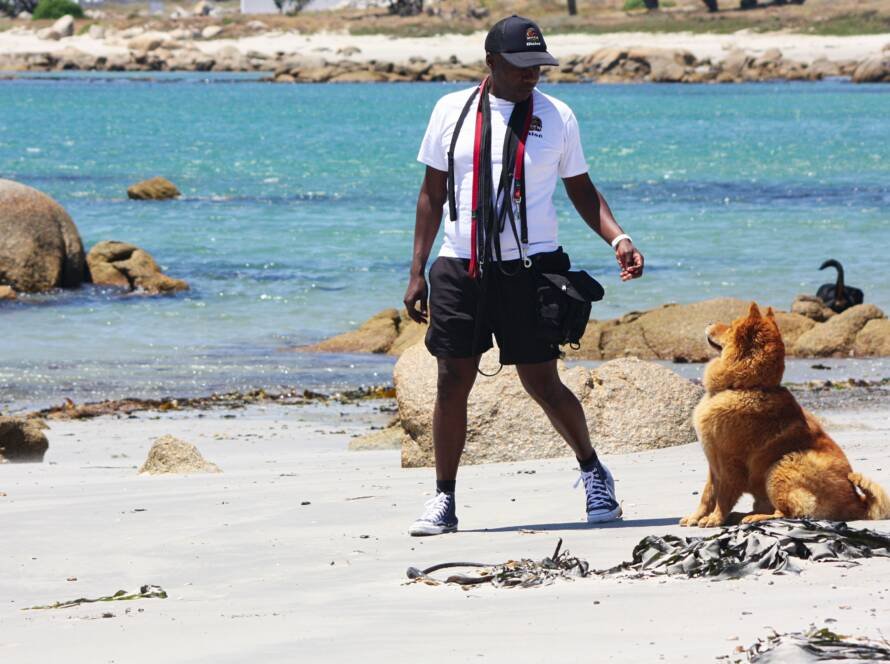
Socialisation is a crucial aspect of raising a well-rounded, confident, and adaptable dog. Whether you have a playful new puppy or a cautious rescue dog, understanding and prioritizing socialisation is essential for their long-term happiness and well-being. Here, we’ll explore the nuances of socialising different types of dogs and share practical tips to set your furry friend up for success.
Socialising puppies: Start early and wisely
Puppies are like sponges, soaking up experiences that shape their behavior for life. Proper socialisation during their critical developmental period (up to about 16 weeks) can prevent many behavioural problems down the line. Here’s how to do it right:
- Avoid On-Leash meetups: While it might seem convenient, on-leash meetups can create tension, over excitement and increase the risk of reactivity in the future.
- Skip off-Leash parks and doggy daycares: These environments can often be chaotic, leading to overexcitement or bad habits. They may not align with your training goals or what you have been working on.
- Vaccination First: Always ensure your puppy has completed their vaccinations before allowing them to explore outside your home on thier own paws. Safety first
Socialising rescue / adult dogs: Patience is key!
For rescue dogs, socialisation requires a careful and patient approach. These dogs often come with unknown histories, which may include traumatic experiences or neglect. It’s vital to take your time to learn their triggers and build trust gradually. Keep these points in mind:
- Adjust to their pace: It can take six months or more for a rescue dog to fully assimilate into a new environment and develop trust. Avoid rushing the process.
- Observe and Adapt: Pay attention to their reactions to new stimuli, and avoid overwhelming them.
- Controlled exposures: Introduce new people, animals, and environments gradually and in a controlled manner to avoid unnecessary stress.
Remember, patience and consistency are the foundation for helping a rescue dog feel safe and secure in their new home.
Practical socialisation tips
- Car rides and exposure: Familiarise your dog with traveling in the car and experiencing the world outside. Vary the destinations to include quiet parks, busy streets, and calm neighborhoods. Don’t only limit your car rides to vet visits, this may not hold well in the future.
- Diverse walks: Take your dog on walks in different locations to expose them to new scents, sights, and sounds. This helps build their confidence and adaptability.
- Neutrality exercises: Teach your dog to remain calm in various settings. Practice sitting quietly at a café, observing other dogs from a distance, having people going about thier business around you, or staying relaxed in a busy park.
Socialisation is not about overwhelming your dog with constant exposure but about creating positive, controlled experiences that help them thrive. With puppies, start early and focus on gradual, structured interactions. For rescue and adult dogs, take the time to understand their needs and progress at their pace.
By investing in proper socialisation, you’re not only enhancing your dog’s quality of life but also strengthening the bond between you and your four-legged companion. Patience, consistency, and mindful exposure are the keys to raising a well-adjusted and happy dog.