


Resource guarding is a natural canine behaviour that often causes concern for dog owners. At its core, it is a survival instinct,dogs protect things they find valuable, whether that’s food, toys, a favorite resting spot, or even a person. While it is a normal behavior, it can escalate into something problematic if left unaddressed.
Signs of resource guarding
Dogs show varying levels of resource guarding. Recognising early signs is key to managing and addressing the issue before it worsens. Common signs include:
- Freezing or stiffening when someone approaches a valued item.
- Growling, snarling, or baring teeth.
- Quickly eating or trying to swallow food when someone comes near.
- Placing their body between the resource and the person/dog approaching.
- Lunging, snapping, or biting when pushed too far.
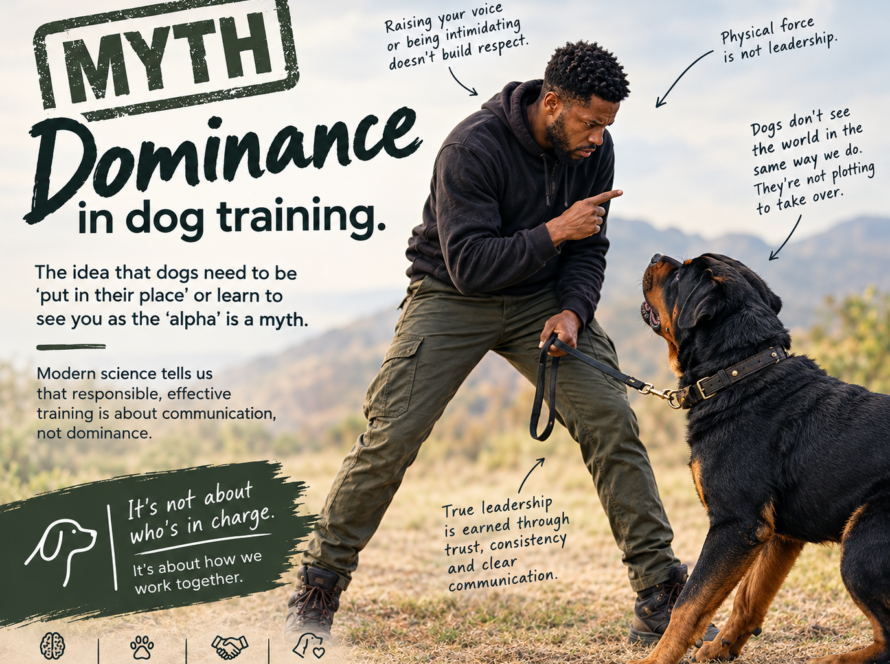
These signals are the dog’s way of saying, “Please back away from what I have.” Ignoring them or punishing the dog often makes the behavior worse.
Why management matters
Resource guarding can be dangerous if misunderstood. A dog who feels consistently threatened may escalate their responses, which puts both humans and other dogs at risk. Proper management prevents rehearsal of the guarding behaviour and sets the stage for positive training.
Effective management tools include:
- Feeding dogs separately to reduce food-related tension.
- Avoiding sudden attempts to take items from the dog’s mouth.
- Trading up: offering a higher-value reward in exchange for the guarded object.
- Supervising interactions between dogs, especially around toys and chews.
The role of training
Training is critical for reducing and preventing resource guarding. Using positive reinforcement methods, we can change the dog’s emotional response to people approaching their resources. Instead of feeling threatened, the dog learns that someone coming close means something good is about to happen.
Key exercises include:
- Counter-conditioning: pairing approach with treats or rewards so the dog associates people near their resource with positive outcomes.
- Leave it / Drop it: teaching the dog to willingly give up items in exchange for something better.
- Desensitization: gradually decreasing the dog’s stress by practicing calm, non-threatening approaches to their resources.
Professional guidance helps
Because every dog is different, resource guarding requires a tailored approach. What works for one may not work for another. A professional trainer or canine behaviorist ensures the right strategies are applied safely, with both the dog’s emotional state and the handler’s safety in mind.
Resource guarding is not a sign of a “bad dog.” It’s a behaviour rooted in instinct and can be managed and modified through patience, consistency, and positive reinforcement. By recognising the signs early, managing the environment, and engaging in structured training, owners can help their dogs feel secure, while maintaining harmony at home.


2 Comments
Jeannie
Keep these great posts coming… very helpful 👍🏻👍🏻
NugenK9
Glad you find the articles helpful, appreciate the feedback. There are definitely more on the way!