


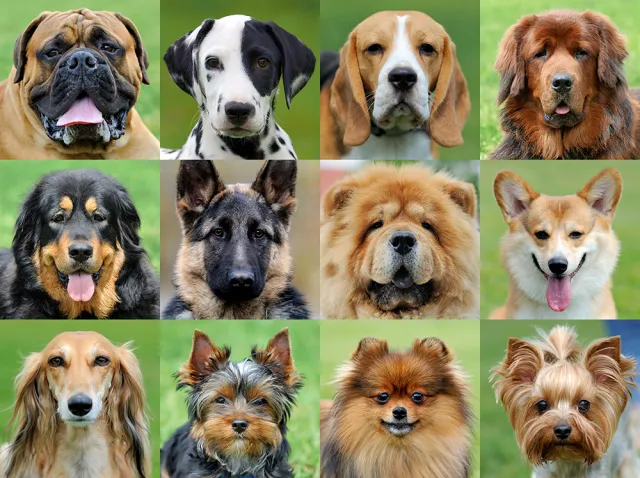
When choosing a dog, many people focus on looks, size, or what’s trendy at the moment. However, one of the most important aspects to consider is the breed’s natural traits and needs. Whether you are planning to get a dog or already have one, understanding your dog’s breed is essential for ensuring their happiness, health, and good behavior.
The role of breed-specific traits
Each breed was developed for a specific purpose herding, hunting, guarding, companionship, or even specialized work like search and rescue. These ingrained instincts don’t just disappear because a dog is living in a modern home environment. For example, Border Collies are incredibly intelligent and energetic because they were bred to herd sheep, while Beagles have a strong sense of smell and a persistent nature due to their background as hunting dogs.
Failing to recognise these traits can lead to frustration for both the owner and the dog. If a high-energy breed like a Belgian Malinois or Siberian Husky doesn’t receive enough physical and mental exercise, they may develop destructive behaviours or anxiety-related issues. On the other hand, expecting a laid-back breed like a Bulldog to excel in high-endurance activities can be unfair and unrealistic.
The importance of breed-specific activities
Dogs thrive when they are allowed to engage in activities that align with their natural instincts. If you have a retriever, activities like fetch, swimming, or scent work can be fulfilling. For herding breeds, structured agility training or controlled herding exercises can provide both physical exercise and mental enrichment. Terrier breeds, which were bred for hunting vermin, often enjoy digging games or interactive puzzle toys that stimulate their problem-solving abilities.
By providing breed-appropriate activities, owners can reduce frustration and unwanted behaviours while strengthening their bond with their dog.
Mental health and stimulation
Mental stimulation is just as crucial as physical exercise. Many behavioural issues, such as excessive barking, chewing, or digging, stem from boredom and a lack of mental engagement. Training, puzzle toys, scent games, and obedience exercises challenge a dog’s mind and help prevent destructive habits from forming.
Certain breeds, like German Shepherds and Poodles, require frequent mental engagement to stay balanced and happy. Without it, they may become anxious, hyperactive, or develop obsessive behaviours. Even breeds known for being more laid-back benefit from mental challenges, as they keep the dog’s mind sharp and reduce stress.
Let’s talk about training
Training is the foundation of a well-mannered and happy dog. It provides structure, builds confidence, and enhances communication between owner and dog. Basic obedience commands like sit, stay, come, and heel are essential for all breeds, but training should go beyond just the basics.
For working and high-drive breeds, advanced obedience, trick training, or task-oriented training can be incredibly fulfilling. Training also helps manage instinctive behaviours, such as the prey drive in sighthounds or the independent nature of some guardian breeds.
Furthermore, a well-trained dog is easier to integrate into daily life, whether it’s going on walks, visiting public spaces, or interacting with other dogs and people. Training reduces stress for both the dog and the owner by setting clear expectations and reinforcing positive behaviors.
Understanding your dog’s breed is not about labeling them or limiting their potential,it’s about setting them up for success. When you recognise their natural instincts, provide breed-specific activities, ensure mental engagement, and incorporate proper training, you create a fulfilling life for your dog. In turn, this leads to a well-behaved, happy, and confident companion that is a joy to have in your home.
If you need guidance on how to train your dog according to their breed’s unique needs, NugenK9 Training is here to help.


